

One Percent More Book Review: Small Steps for Sustainable Growth
One Percent More Book Review: Small Steps for Sustainable Growth
One Percent More is a personal-growth book by Len DeCarmine built around a simple idea: small, repeatable improvements can add up over time. That message stood out to me because so much self-help advice acts like you need a complicated nine-step life overhaul before breakfast. No thanks.
As an autistic entrepreneur, I know that trying to improve everything at once can turn a helpful goal into a giant pile of executive-function stress. The value I found in the “one percent more” idea was not becoming perfect; it was choosing one manageable area to work on and letting progress be gradual.
Disclosure: This post may contain affiliate links. If you purchase through one, CrazyFitnessGuy may earn a commission at no additional cost to you. This is Jimmy Clare’s personal review and experience with the book.
Note: This article is for educational and personal-growth purposes. It is not medical, mental-health, financial, or professional advice. Choose support from qualified professionals for decisions that need individualized guidance.
Read the One Percent More interview with Len DeCarmine.
Quick Review
- Book: One Percent More by Len DeCarmine
- Core idea: Focus on small improvements instead of trying to change everything at once.
- Who may enjoy it: Readers looking for practical prompts around habits, organization, health, work, and personal growth.
- My rating: 5 out of 5 stars.
What Is the One Percent More Idea?
The “one percent more” approach is about identifying a part of your life that matters to you and making a small, realistic improvement. It can apply to routines, work, learning, relationships, health habits, organization, or a creative project.
The important word is realistic. A small step should fit your actual life, not an imaginary version of you who has unlimited time, energy, money, and motivation. A five-minute reset, one email, one glass of water, one page of a book, or one short walk can be a meaningful starting point.
Why the Message Worked for Me
When I read One Percent More, I started thinking about areas where I wanted to make small changes. I liked the title because it did not make me feel like a total screw-up for not doing everything perfectly. It made progress feel possible.
Many self-improvement plans pile on too many rules at once. This approach gave me permission to choose one priority, try something, and adjust when it did not work. That is far more useful than pretending every person needs the same routine.
Potential Benefits of Small, Consistent Changes
The exact results will depend on the goal and the person, but small changes can help make progress feel less overwhelming. In my own experience, the approach helped me focus on:
- Improving productivity without trying to fill every minute.
- Creating more organized routines and spaces.
- Making room for self-care and breaks.
- Practicing time management and boundaries.
- Reducing some of the pressure that comes from expecting instant results.
Small changes are not magic, and they will not fix every situation. They can, however, create a starting point when the bigger goal feels too heavy to touch.

My Real-Life Examples
While reading the book, I made a list of areas where a small adjustment could help. These were not things I expected to “solve” overnight. They were works in progress:
- Financial well-being: Saving more and learning about money at a manageable pace.
- Mental well-being: Taking more breaks and practicing saying no when my plate was too full.
- Daily wellness: Creating a more consistent bedtime and finding ways to be active that fit my energy.
- Time management: Learning more about time blocking and protecting boundaries.
Some areas felt easier than others. That is normal. A difficult goal is not proof that you are failing; it may mean the next step needs to be smaller or the support needs to be better.
How to Use the One Percent More Approach
- Choose one area of life that matters to you right now.
- Describe what “slightly better” would look like in concrete terms.
- Make the first step small enough to complete on a low-energy day.
- Put the step where you can see it: a calendar, note, checklist, or reminder.
- Try it for a short period, then notice what helped and what got in the way.
- Adjust the plan instead of calling yourself the problem.
- Add another small step only when the current one feels manageable.
For example, if you want a more predictable routine, do not begin with a 25-item morning checklist. Start by putting tomorrow’s clothes in one place or setting one reminder to begin winding down at night.
Common Obstacles
When you first start a small-change approach, it is easy to get excited and add ten new goals. I have done that. Then the plan becomes another stressor.
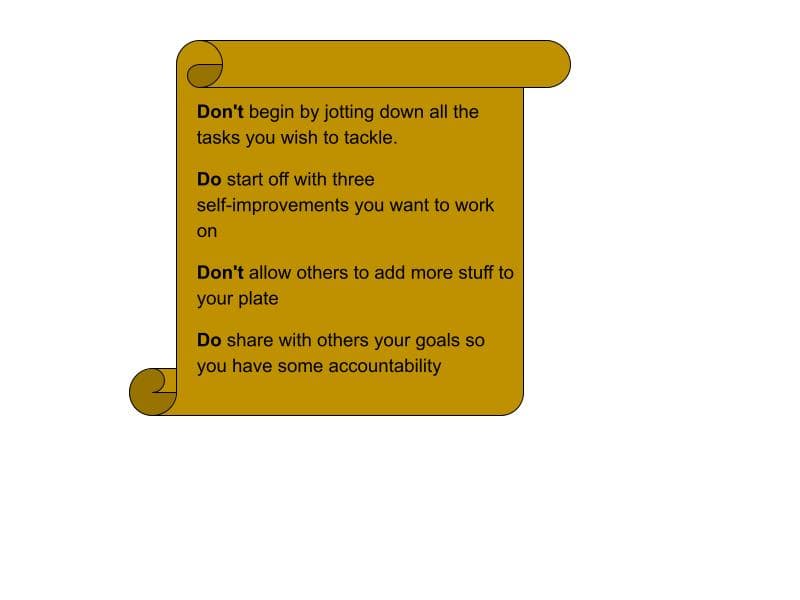
- Do not create a huge list of changes at once.
- Do choose one to three priorities, then start with the smallest action.
- Do not let other people add more goals to your plate without considering your capacity.
- Do share a goal with a trusted person if accountability helps you.
- Do expect plans to need adjustment when schedules, energy, health, or responsibilities change.
Small Changes and Work-Life Balance
The same idea can help with work, wellness, and social life. Rather than attempting to become perfectly organized, productive, healthy, and social all at once, choose one useful adjustment: a hard stop at the end of work, a ten-minute movement break, a simple meal plan, or a short check-in with a friend.
For more low-pressure tools, read 15 Strategies for Balancing Work, Health, and Social Life.
How It Compares to Other Personal-Growth Books
One Percent More may appeal to readers who also enjoy books about habits and gradual growth, such as Atomic Habits by James Clear. I also found a similar reminder in Discover Your Joy: personal growth works better when you pay attention to what actually helps you feel like yourself.
My reading style is usually fiction over nonfiction, and I do not always enjoy reading more than one book at a time. That is fine. The right reading routine is the one your brain can actually follow.

My Rating
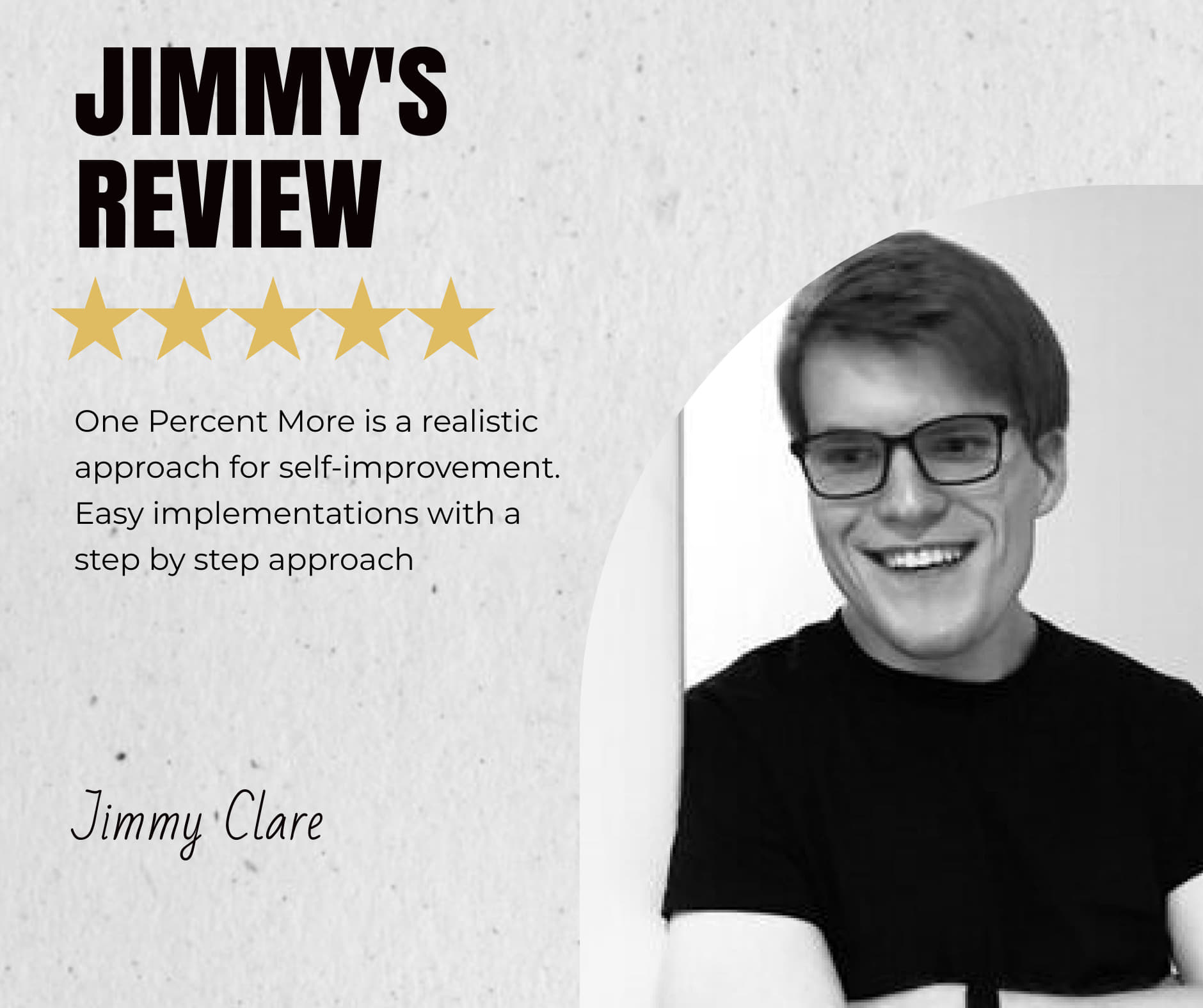
I give One Percent More 5 out of 5 stars. I appreciated its focus on incremental change rather than demanding too many steps at once. It helped me think about personal growth in a way that felt less overwhelming and more practical.
The biggest takeaway: do not start and stop ten projects because you think you have to fix everything immediately. Choose a small improvement, give it time, and revamp the plan when life changes.
Continue Learning With CrazyFitnessGuy
For more realistic, autistic-led ideas about habits, wellness, and personal growth, browse the CrazyFitnessGuy blog or listen to The CrazyFitnessGuy Show. Progress does not need to be dramatic to count.
Stay Motivated and Inspired by Subscribing to Our Monthly Newsletter!

Founder
Jimmy Clare is a Professional Keynote Speaker, Podcaster, Live Stream Host, and Autism Advocate who founded CrazyFitnessGuy® in 2017 to share healthy living through autistic eyes. He combines his lived experience with autism and his own health journey to encourage others to embrace their uniqueness and build sustainable habits.

How Group Fitness Supports Work-Life Balance

Best Social Media Management Tools for Scheduling, AI, and Analytics
Sponsored By




Follow Us
Follow Us On Follow.it

Follow on Deepstash
Follow Jimmy On LikeWise
Follow Jimmy On GoodReads
Follow Us On Flipboard

Follow Us On Blogarama
Blogarama - Blog Directory Blogs Directory

Trusted Member Of Alignable

Recent Episodes
- Sensory Friendly Routines for Calmer Days | Art & Autism Mental Health (Trailer)
- The CrazyFitnessGuy Show Trailer: Realistic Fitness for Autistic & Neurodivergent Adults
- From Hamster Wheel to Purposeful Living: Adaptive Movement Autism and Realistic Fitness Advice for Everyday Routines
- Living Purposefully: Or Just Paying Off Student Loans? Realistic Fitness, Sensory-Friendly Routines, and Adaptive Movement
- Breathwork in Bed: Sleeping Better and Joking Harder with Tim Thomas
- Awesomeness Starts Within | Judgment-Free Growth for Neurodivergent Living
- Sensory-Smart Coaching | Why Generic Fitness Plans Fail Autistic Adults
- Neurodivergent Fitness: Adaptable Strategies Without the Burnout Trap
- Fitness for Every Body: Autism-Friendly Tips with Sherry Shaban
- See all →
Support On