
How to Feel Ready for Summer: Realistic Wellness Tips That Fit Your Life
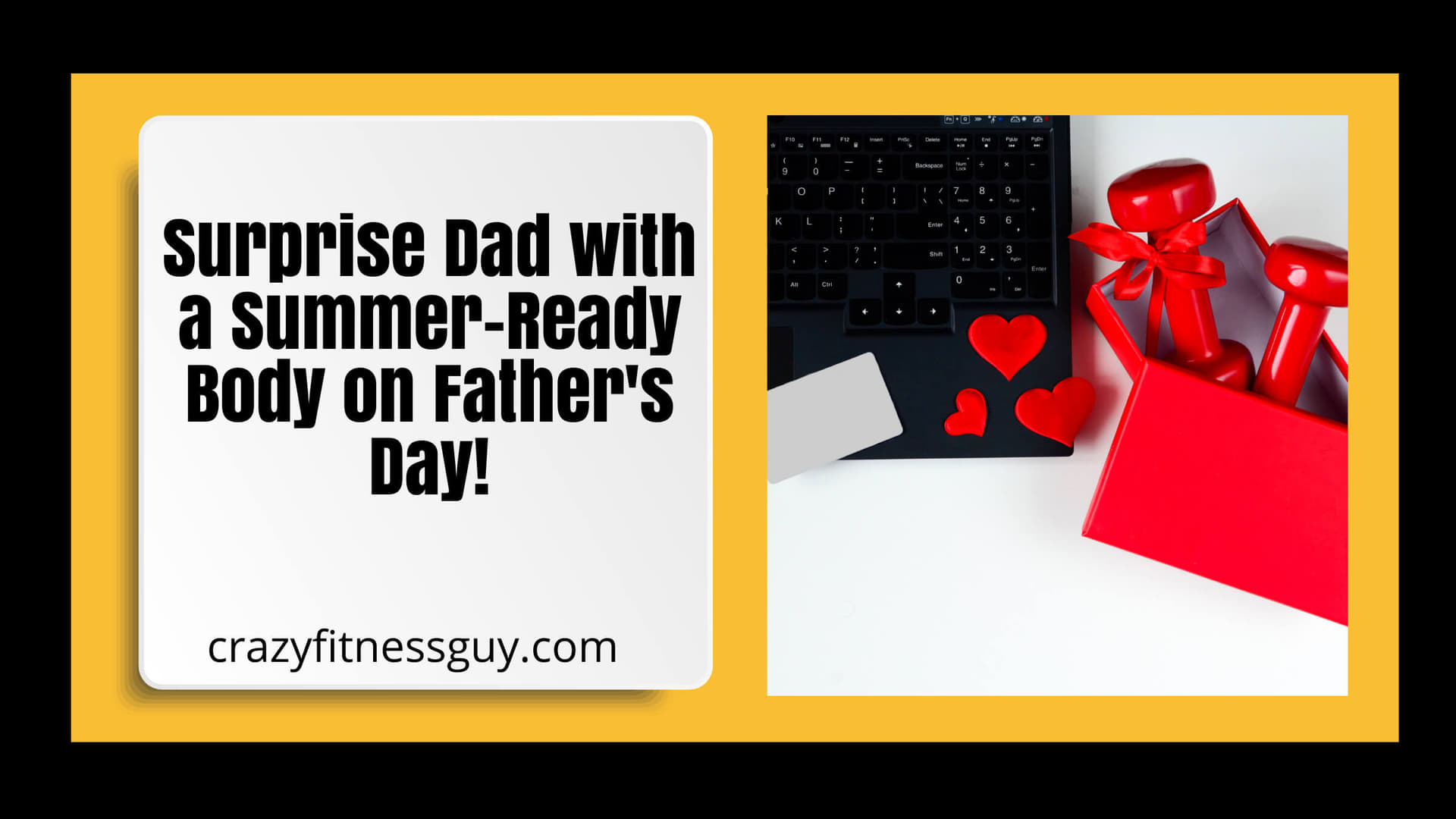
How to Feel Ready for Summer: Realistic Wellness Tips That Fit Your Life
You do not need to change your body to deserve summer. You can wear the clothes, go to the pool, take the vacation, enjoy the cookout, and exist outside right now. If you want to feel more prepared for warmer weather, focus on practical habits that support your energy, comfort, routines, and confidence—not a crash diet or a deadline-driven “summer body” plan.
CrazyFitnessGuy is an autistic-led wellness resource, so this guide is built around small, realistic steps. Your summer routine might include walking, karate, swimming, stretching, better sleep, more water, foods you enjoy, or simply planning around heat and sensory needs. Pick what helps; skip what does not.
Health note: This article is general educational information, not medical advice. Consult a qualified clinician for individual guidance, especially if you have a health condition, take medication, have a history of disordered eating, or experience symptoms that concern you.
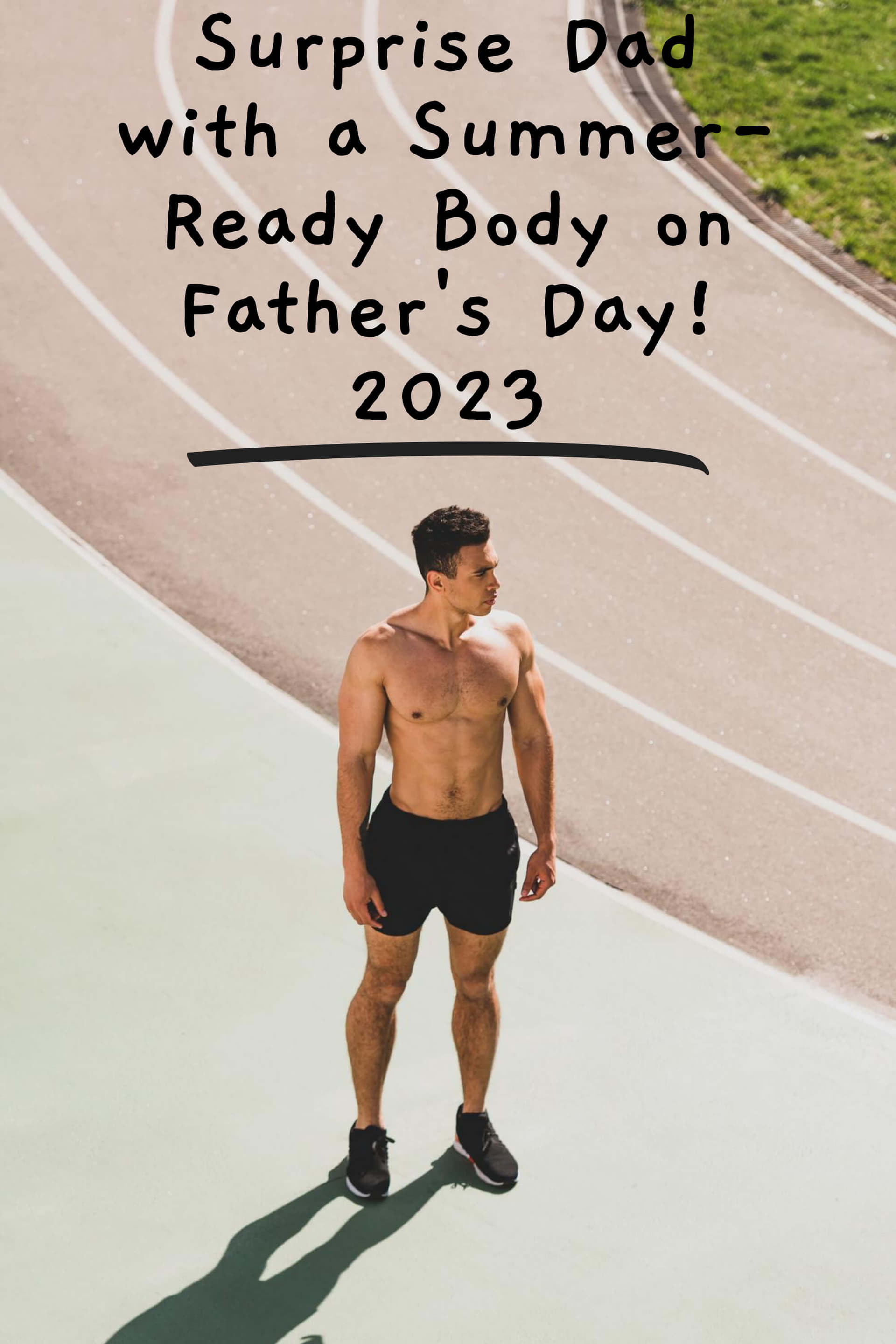
Forget the “Summer Body” Deadline
A summer body is a body that exists during summer. You do not have to earn it through extreme workouts, restrictive eating, or trying to change everything in a few weeks. Fast transformations are not a reliable measure of health, and pressure-heavy plans often fall apart because they demand more time, money, energy, and certainty than real life can provide.
A better question is: “What would make summer feel easier or more enjoyable for me?” Your answer may be improving stamina for a trip, finding a water bottle you like, being less stiff after sitting, building a predictable movement habit, or having simple meals available when it is hot.
Choose One or Two Small Starting Habits
Do not rebuild your entire routine at once. Choose one or two habits that are small enough to repeat even on a low-energy day. Consistency comes from making the next step doable, not from making the plan intense.
- Take a 10-minute walk after lunch a few days a week.
- Set out comfortable workout clothes the night before.
- Add one fruit or vegetable you already tolerate to a meal.
- Fill a water bottle before leaving the house.
- Go to bed within a similar time range when possible.
- Schedule one enjoyable activity that is not about productivity.
Move in Ways You Actually Enjoy
Movement does not need to be a punishment for eating or a contest with strangers online. It can be something that helps you feel stronger, calmer, more focused, or connected to an interest. The right activity is one you can realistically return to.
- Walk outside, at a mall, or on a treadmill.
- Use an elliptical, ride a bike, or swim if those feel accessible.
- Try stretching, yoga, or mobility work at your own pace.
- Lift weights, use resistance bands, or do short bodyweight sessions.
- Take a martial arts class, play golf, dance, or join a recreational sport.
- Use short movement breaks if a full workout feels overwhelming.
Martial arts helped Jimmy build discipline and confidence without needing every day to be perfect. Read The Benefits of Learning Martial Arts for more on that experience.
Plan for Heat, Hydration, and Sensory Comfort
Warmer weather can change what your body needs and what feels tolerable. Make a simple summer comfort plan before you need it. Keep water available, take breaks from the heat, and choose clothing and activities that work with your sensory needs.
- Carry a water bottle you enjoy using and refill it regularly.
- Use reminders if you tend to forget to drink while working or traveling.
- Choose breathable clothing, sunscreen, hats, shade, or cooler workout times when helpful.
- Bring headphones, sunglasses, a familiar snack, or other comfort items for busy outings.
- Slow down or take a break if heat, dizziness, pain, or sensory overload becomes an issue.
Individual hydration needs vary with weather, activity, medication, and health conditions. A clinician can provide personalized guidance if you have questions about fluid intake.
Make Food Easier, Not Stricter
Summer wellness does not require cutting out entire food groups or labeling yourself “good” or “bad” for what you eat. It is more useful to make nourishing options easier to access while still eating foods you enjoy.
- Keep fruit, vegetables, protein, and easy snacks available in forms you will actually eat.
- Use frozen, canned, pre-cut, or prepared produce when energy and time are limited.
- Build meals around familiar foods, then add one small extra rather than forcing a complete makeover.
- Plan simple options for hot days, such as sandwiches, salads, wraps, smoothies, yogurt, fruit, or leftovers.
- Respect allergies, medical needs, culture, budget, texture preferences, and sensory limits.
For practical ideas that do not require perfection, read How to Eat More Fruits and Vegetables: Simple, Real-Life Tips.
Protect Sleep and Recovery
Sleep, rest, and recovery count as part of a wellness routine. If your schedule changes during summer, aim for a few anchors that help your body and brain know when it is time to wind down. You do not need an elaborate bedtime ritual; a consistent, realistic one is enough.
- Keep a rough bedtime and wake-up range where possible.
- Give yourself a transition period before sleep with lower lights, less noise, or a familiar activity.
- Plan easier movement or rest days after demanding work, travel, or social events.
- Notice whether heat, late caffeine, screen time, or schedule changes affect your sleep.
Create a Routine You Can Return To
Summer can be less structured than the rest of the year, which can be fun and also disruptive. If routine helps you, choose a few simple anchors: a regular meal, a daily walk window, a weekly workout class, a hydration cue, or a time to prepare for the next day.
Try using a “minimum version” of your routine. For example, if your full workout is 30 minutes, the minimum version might be five minutes of stretching or one lap around the block. The minimum is not a failure—it is a way to keep the habit alive during hard weeks.
Focus on How You Want to Feel
Goals can be useful when they describe a meaningful experience rather than a punishment. Instead of “I need to fix my body before summer,” try a goal such as:
- I want more energy for my vacation.
- I want walking in the heat to feel a little easier.
- I want a simple movement routine that does not overwhelm me.
- I want to feel more prepared with food and water when I am out.
- I want to make time for hobbies, rest, and people I care about.
Those goals leave room for your real life. They also make it easier to notice progress that has nothing to do with a scale, a clothing size, or someone else’s highlight reel.
When to Get Extra Support
Consider talking with a qualified professional if you are dealing with persistent pain, fatigue, dizziness, concerning changes in mood or eating, or difficulty creating a routine that feels safe and manageable. A physician, registered dietitian, physical therapist, therapist, or other appropriate professional can help you create an individualized plan.
Bottom Line
Getting ready for summer is not about becoming a different person. Choose a few supportive habits, make them easier to repeat, and give yourself permission to adapt. Your body is already allowed to enjoy summer; these ideas are simply tools to help you feel more comfortable and prepared along the way.
For more realistic, autistic-led guidance on wellness, habits, and daily life, browse the CrazyFitnessGuy blog or listen to The CrazyFitnessGuy Show.
Stay Motivated and Inspired by Subscribing to Our Monthly Newsletter!

Founder
Jimmy Clare is a Professional Keynote Speaker, Podcaster, Live Stream Host, and Autism Advocate who founded CrazyFitnessGuy® in 2017 to share healthy living through autistic eyes. He combines his lived experience with autism and his own health journey to encourage others to embrace their uniqueness and build sustainable habits.
How Group Fitness Supports Work-Life Balance
Best Social Media Management Tools for Scheduling, AI, and Analytics
Sponsored By



Follow Us
Follow Us On Follow.it

Follow on Deepstash
Follow Jimmy On LikeWise
Follow Jimmy On GoodReads
Follow Us On Flipboard

Follow Us On Blogarama
Blogarama - Blog Directory Blogs Directory
Trusted Member Of Alignable

Recent Episodes
- Sensory Friendly Routines for Calmer Days | Art & Autism Mental Health (Trailer)
- The CrazyFitnessGuy Show Trailer: Realistic Fitness for Autistic & Neurodivergent Adults
- From Hamster Wheel to Purposeful Living: Adaptive Movement Autism and Realistic Fitness Advice for Everyday Routines
- Living Purposefully: Or Just Paying Off Student Loans? Realistic Fitness, Sensory-Friendly Routines, and Adaptive Movement
- Breathwork in Bed: Sleeping Better and Joking Harder with Tim Thomas
- Awesomeness Starts Within | Judgment-Free Growth for Neurodivergent Living
- Sensory-Smart Coaching | Why Generic Fitness Plans Fail Autistic Adults
- Neurodivergent Fitness: Adaptable Strategies Without the Burnout Trap
- Fitness for Every Body: Autism-Friendly Tips with Sherry Shaban
- See all →
Support On